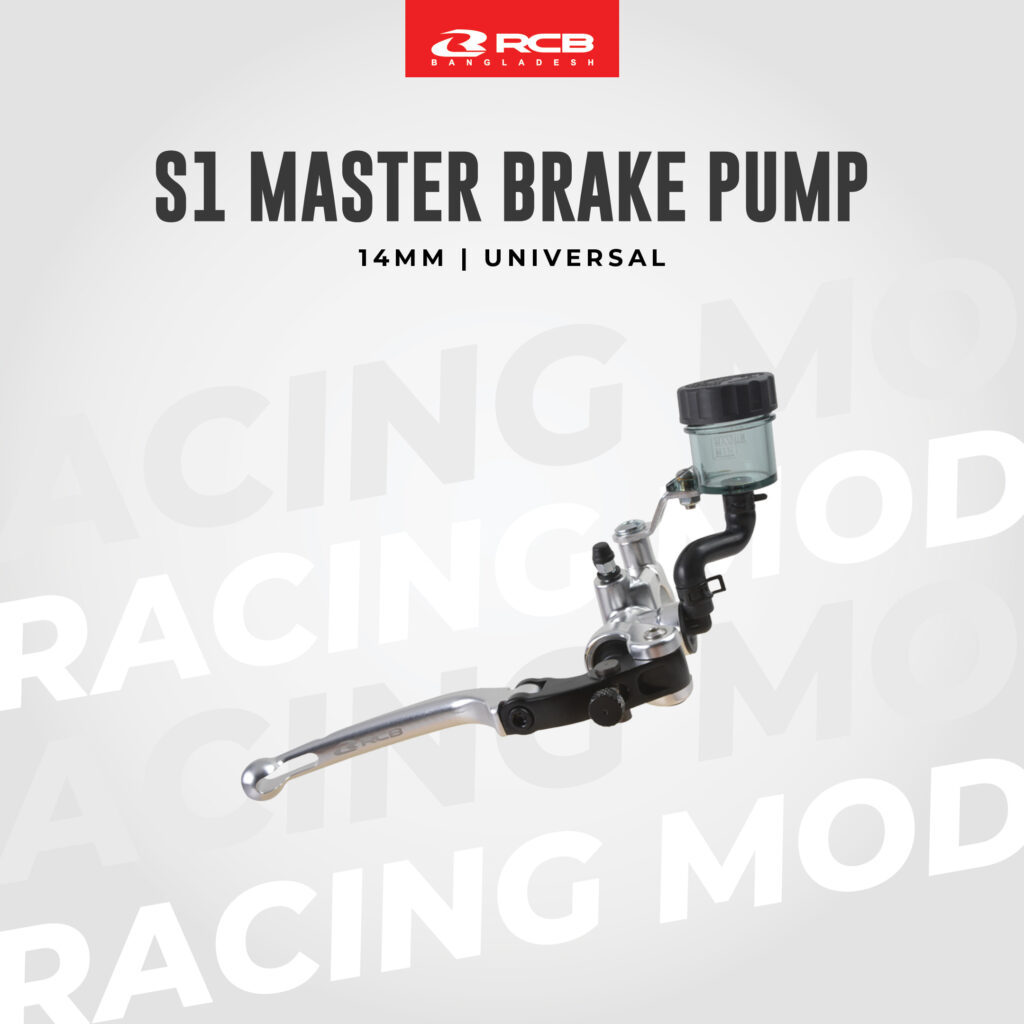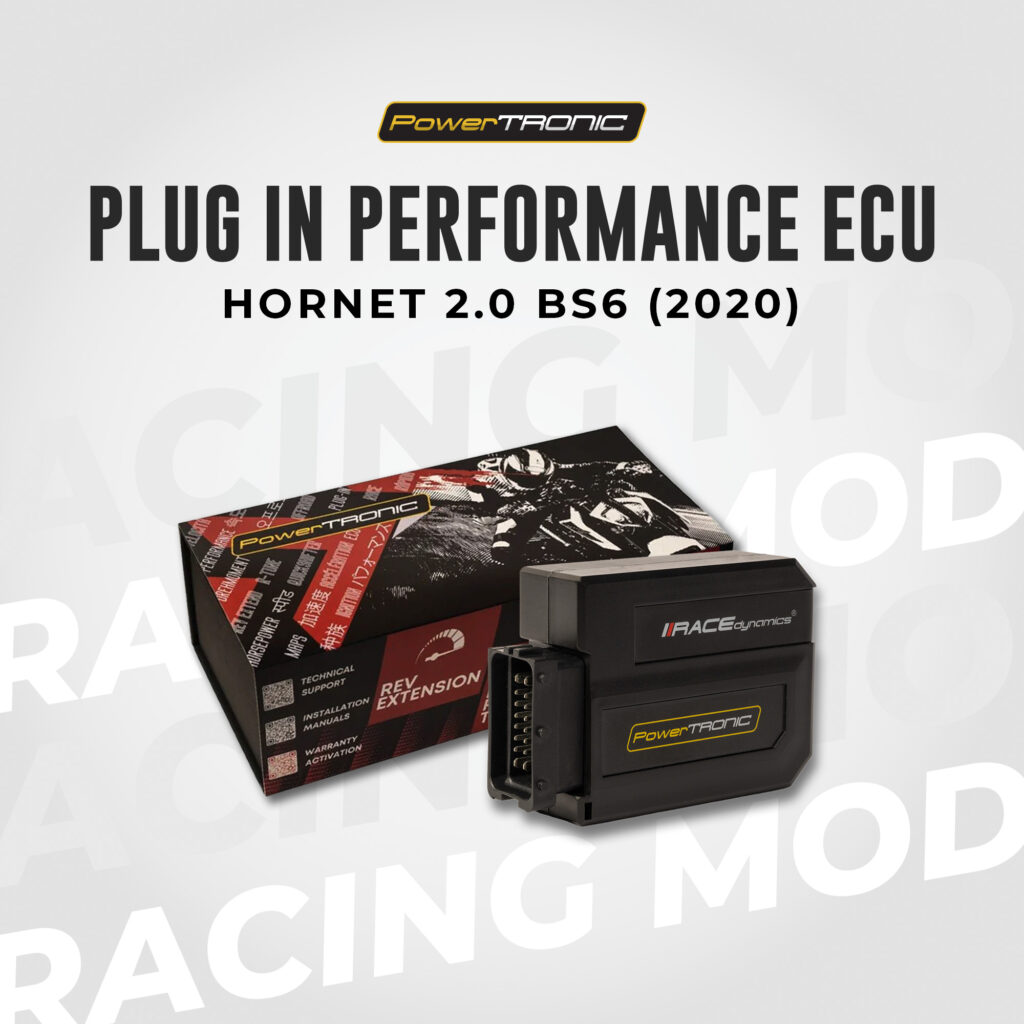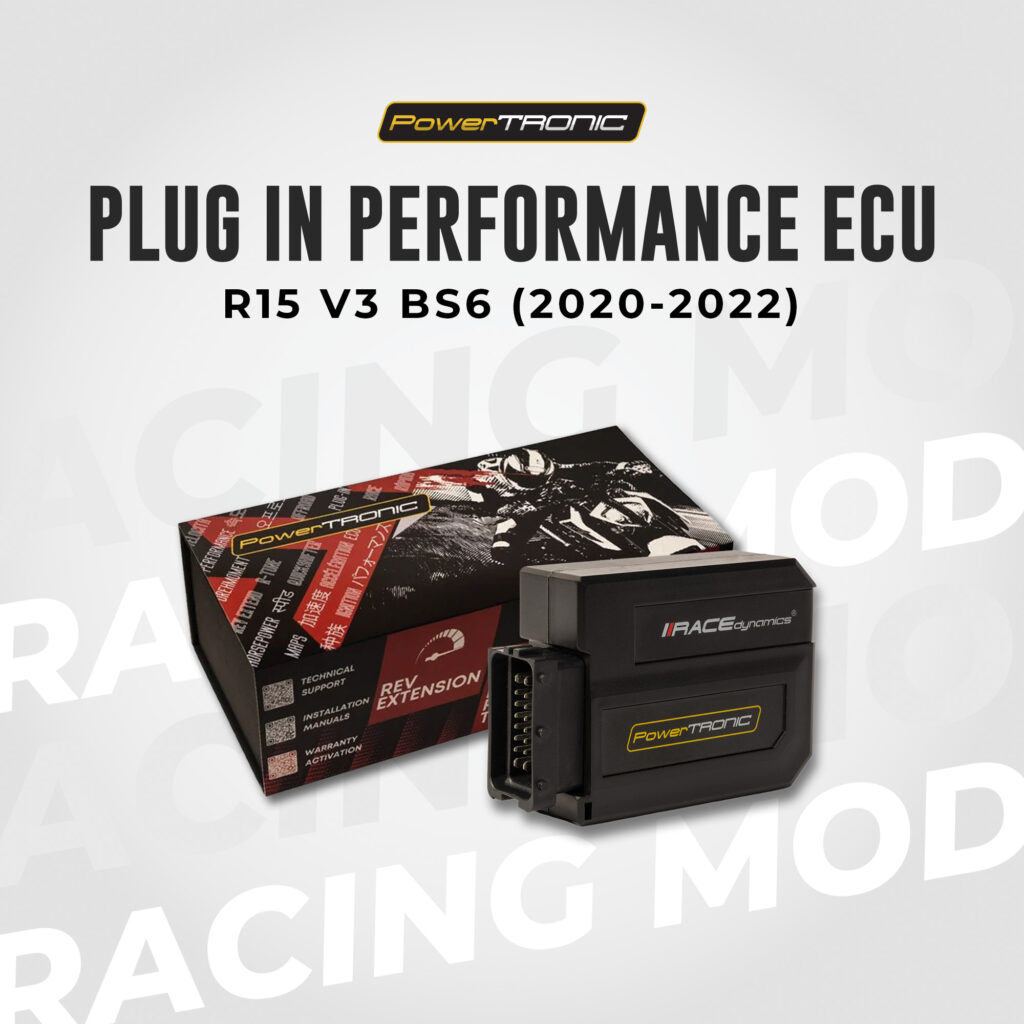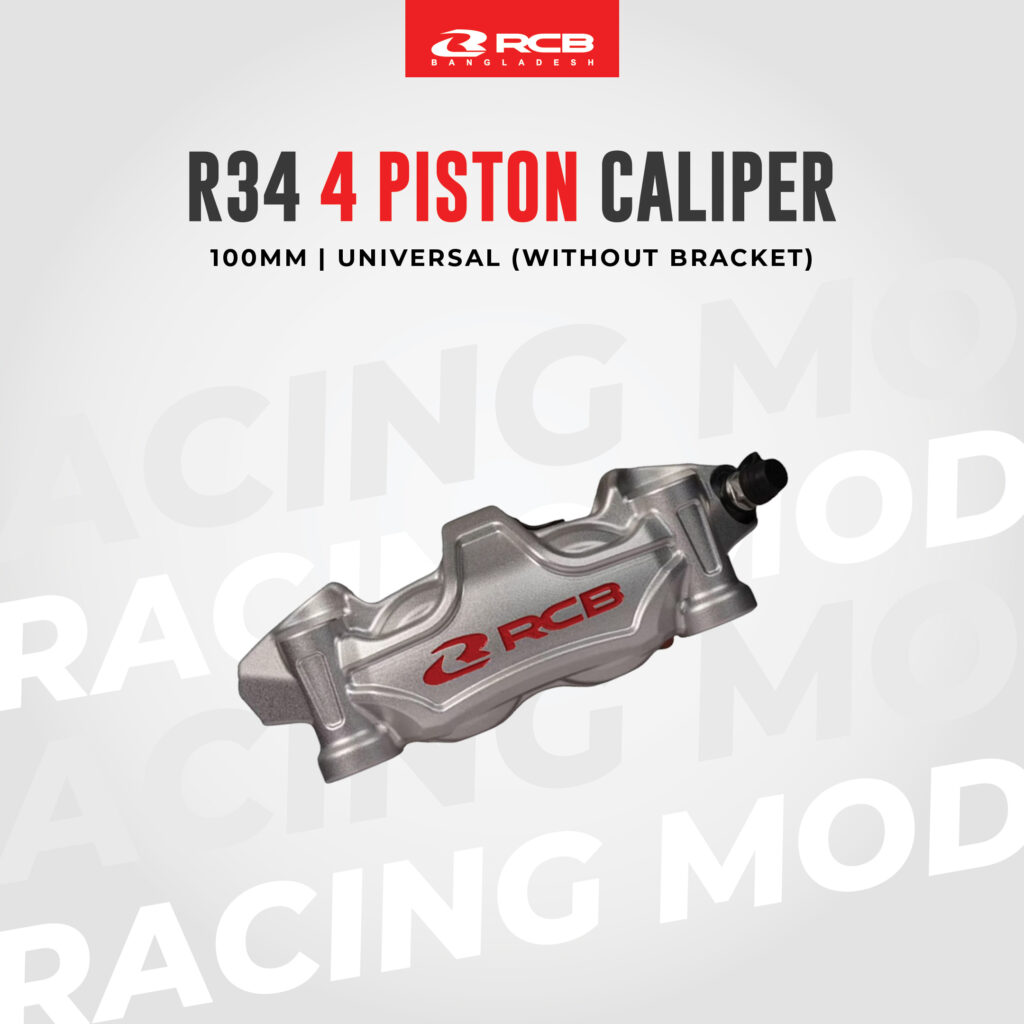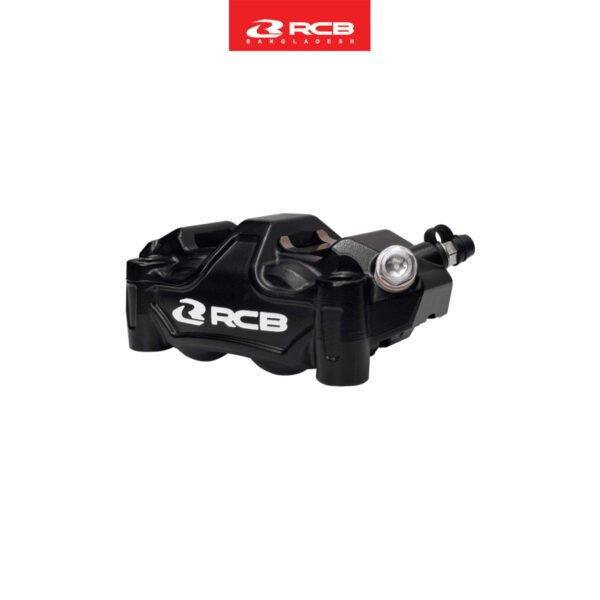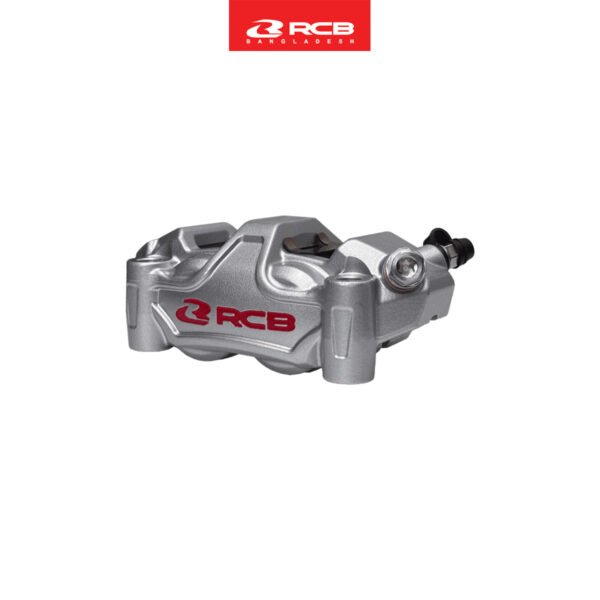













 RCB E2 SERIES BRAKING SYSTEM
 RCB S1 SERIES BRAKING SYSTEM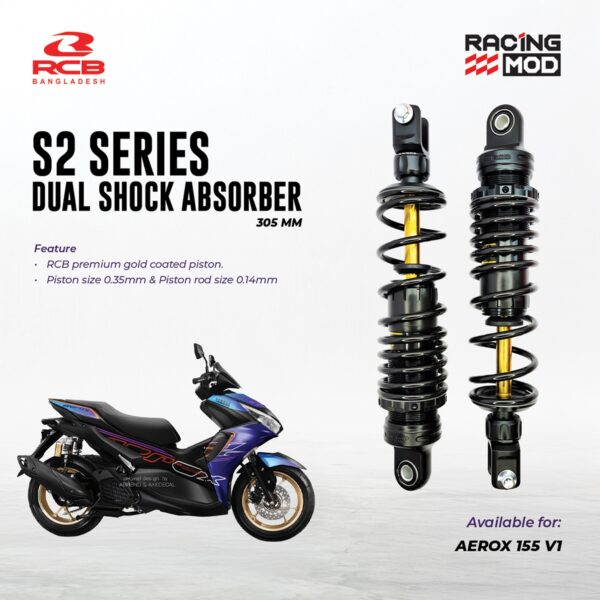




Recommended Additional Upgrades
01
S1 FL 30th Anniversary Special Edition Brake & Clutch Set
Get the Combo set for the ultimate brake system upgrade.
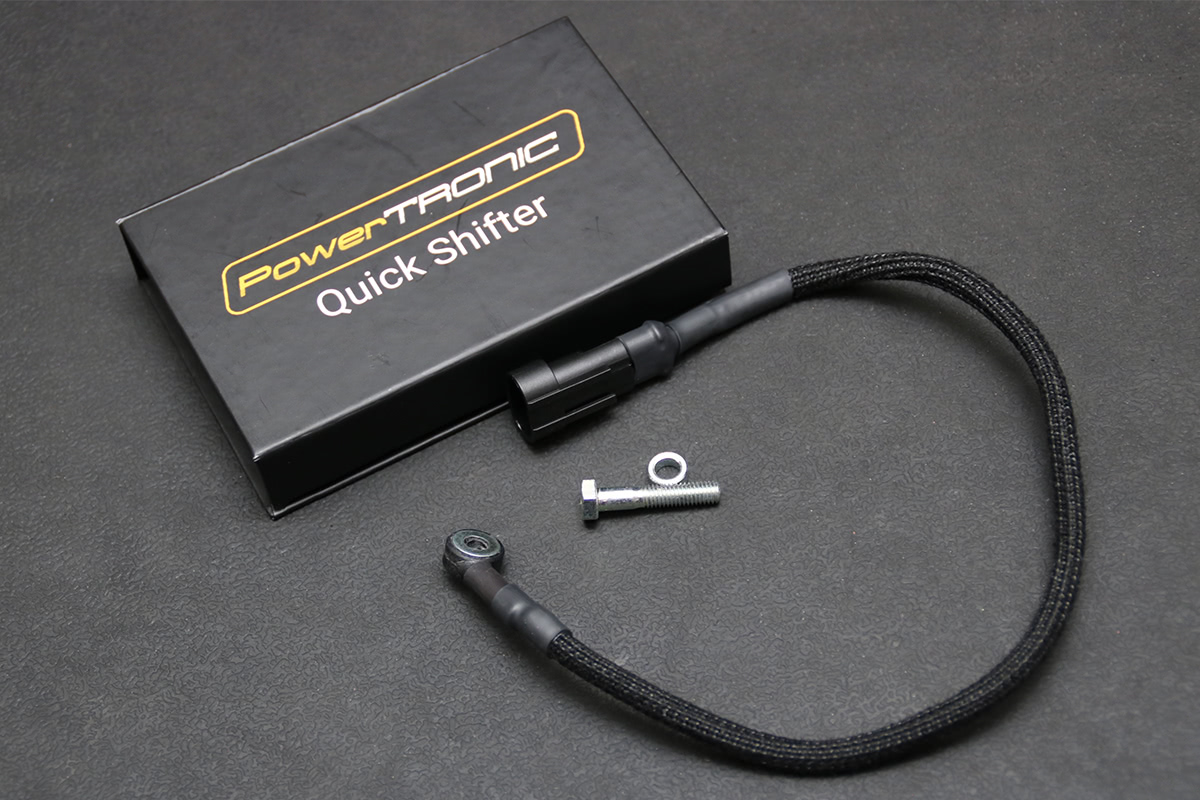
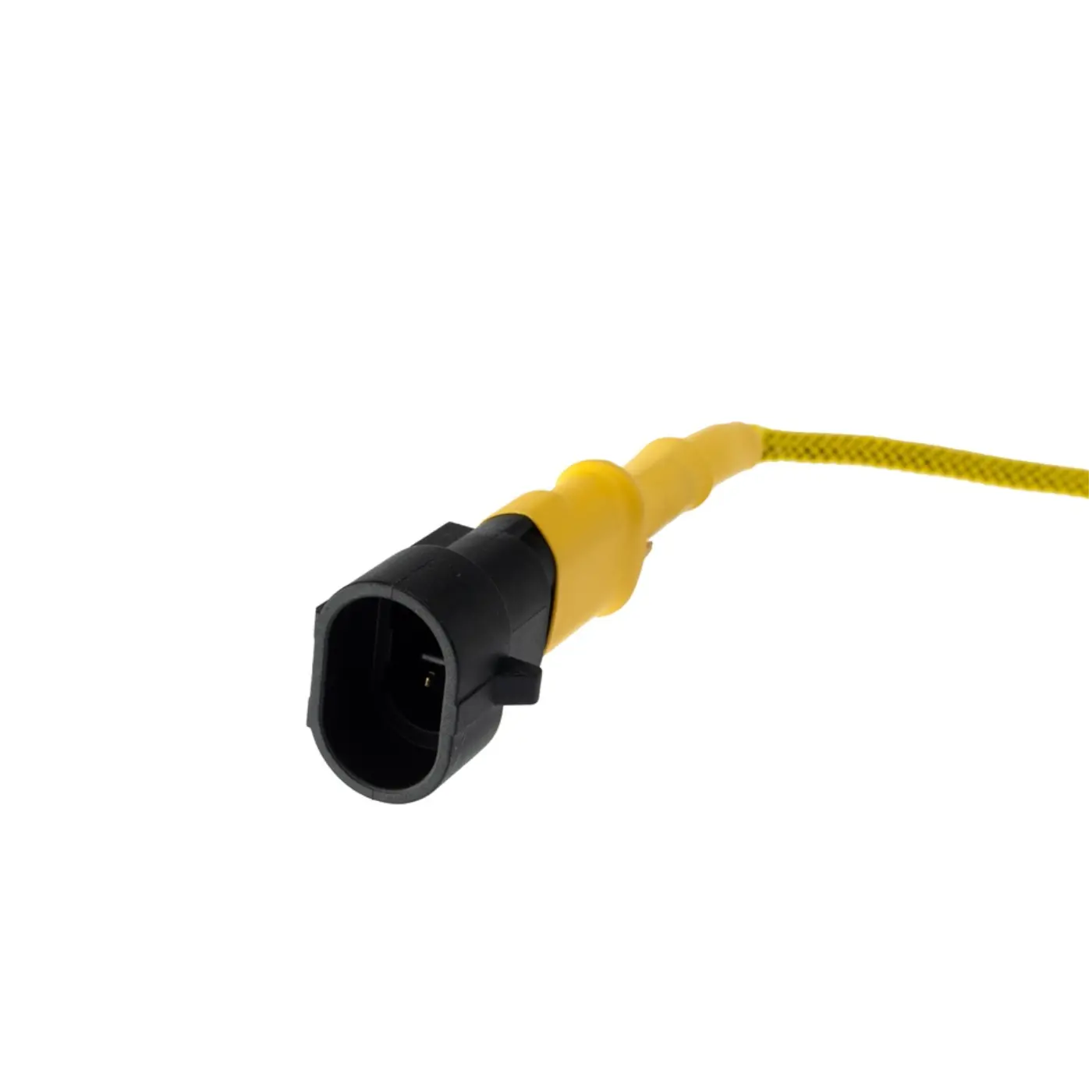
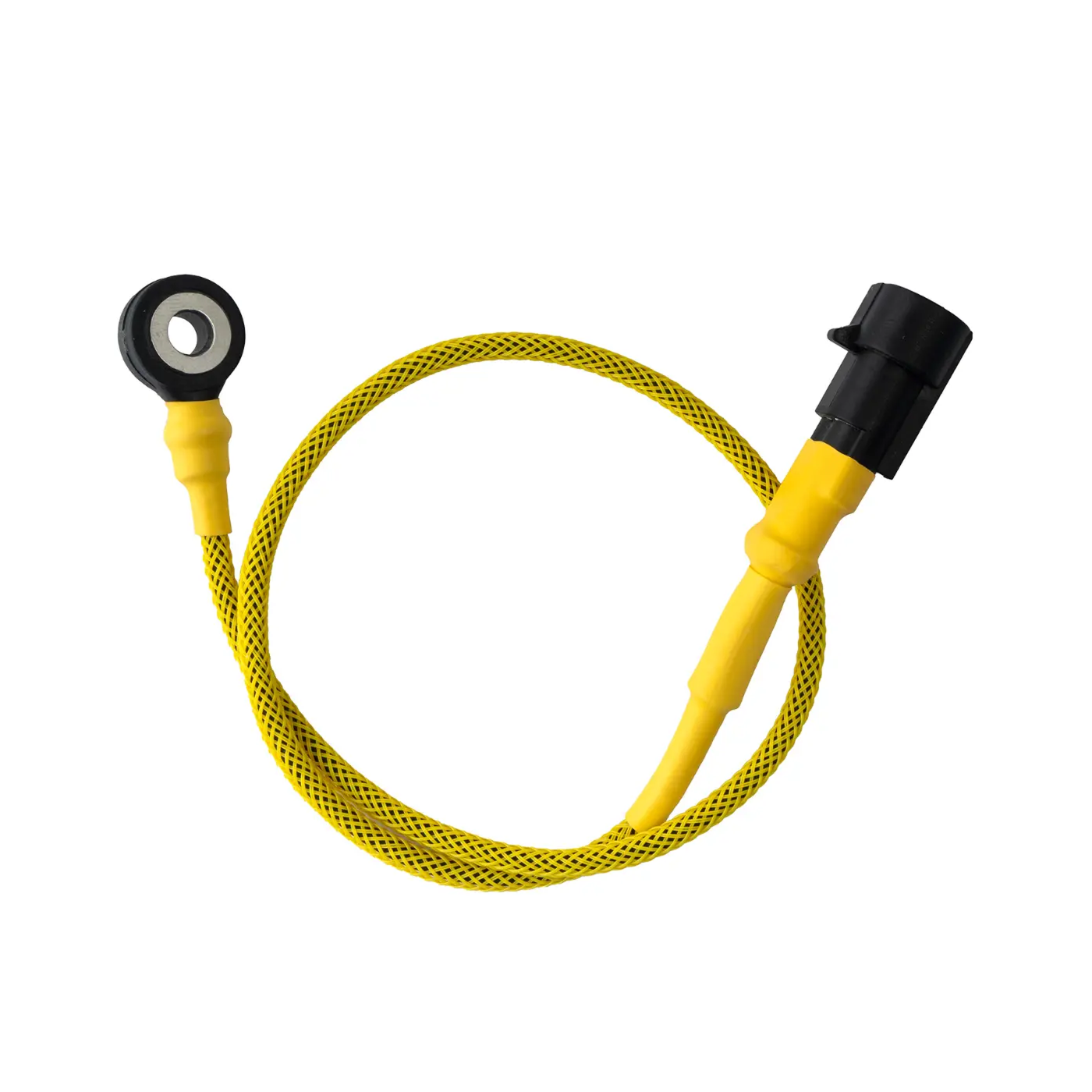
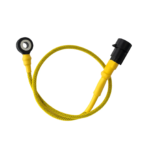
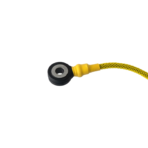
PowerTRONIC Quickshifter Sensor for the PowerTRONIC V4 piggyback ECU is a premium, race-spec electronic component engineered to unlock ultra-smooth, full-throttle, clutchless upshifts.
Unlike conventional mechanical or strain-gauge shift sensors that use moving parts prone to wear and false triggers, this advanced sensor utilizes a solid-state piezoelectric load cell. It senses the physical force exerted on your shift pedal and communicates instantly with your PowerTRONIC V4 system to temporarily interrupt engine power, allowing the gearbox to seamlessly grab the next gear without you backing off the throttle or touching the clutch.
Key Features & Electronic Engineering
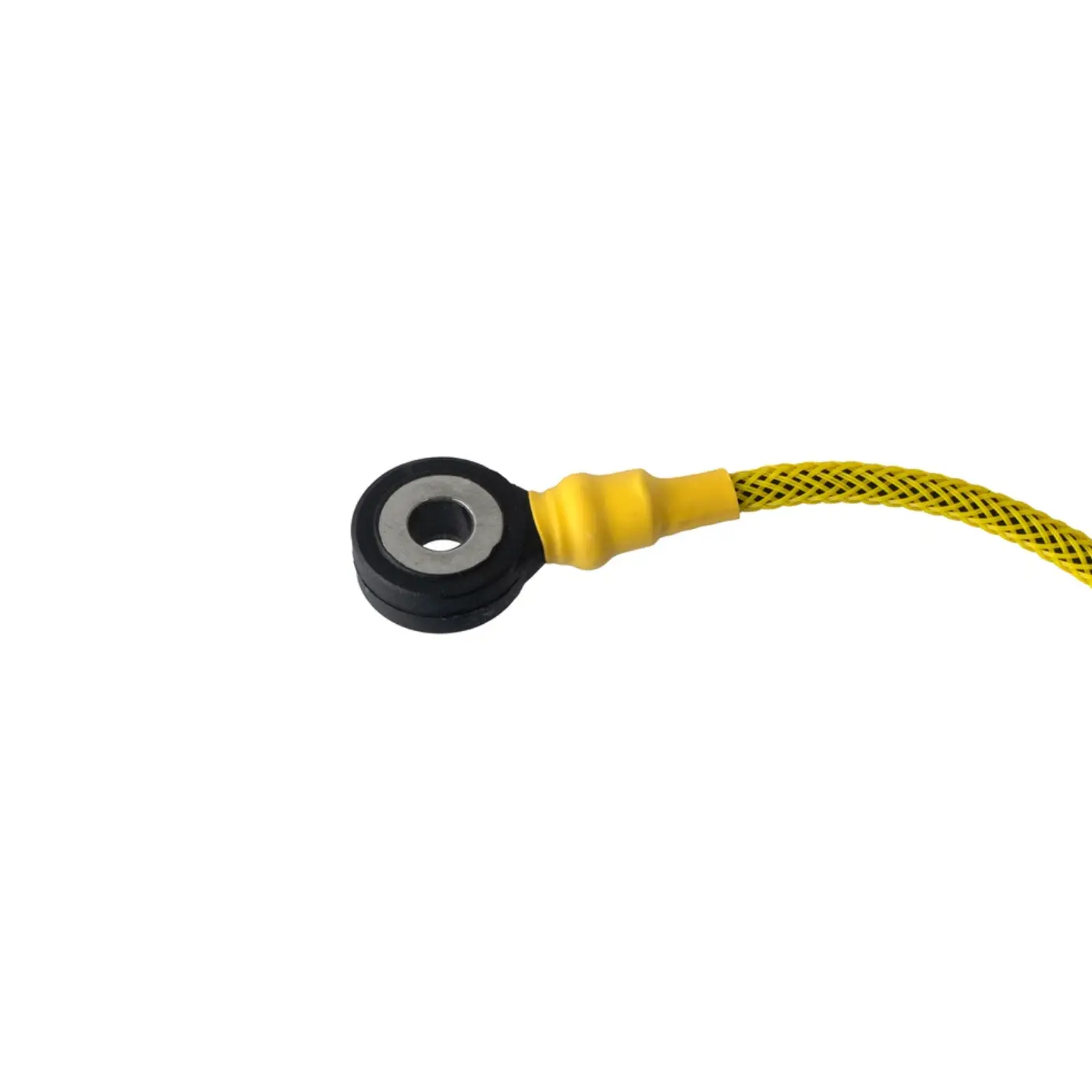
Piezoelectric Load Cell Technology: Built completely without internal moving parts. The sensor measures pressure electronically, yielding exceptional structural longevity and a drastic reduction in false engine cuts induced by standard bike chassis vibrations.
Direct Pivot Bolt Mounting: Designed to mount directly onto your motorcycle’s factory gear shift lever arm using the included spacer and bolt. This eliminates the need to cut, thread, or modify your bike’s original shift rods, making it an exceptionally clean install.
Plug-and-Play Integration: Features a dedicated waterproof connector that pins directly into the matching quickshifter auxiliary input on your PowerTRONIC V4 wiring harness, bypassing the need to splice or tap factory wiring.
Fully Programmable Kill Times: Works symmetrically with the PowerTRONIC R-Tune software suite. This allows you to customize exact ignition and fuel cut durations (in milliseconds) across specific RPM increments to match your personal shifting style.
Intelligent Activation Threshold: Features adjustable sensor trigger sensitivity through the ECU software, ensuring the quickshift function only triggers when you intentionally apply positive foot pressure.
Technical Specifications
| Feature | PowerTRONIC V4 Quickshifter Details |
| Sensor Architecture | Solid-State Piezoelectric Pressure Cell |
| Shifting Style | Upshift Only (Clutchless Upshifting) |
| Minimum Operating Threshold | Activates above 3000 RPM (Safety Standard) |
| ECU Compatibility | PowerTRONIC V4 & V3 Engine Control Modules |
| Mounting Mechanism | Shift Lever Pivot Bolt Placement (No Shift Rod Alteration) |
| Hardware Max Torque | 6 Nm (Strict Limit) |
| Kit Components | 1x Piezo Sensor with Connector, 1x Mounting Bolt, 1x Spacer Sleeve |
Step-by-Step Installation & Mechanical Setup
Because the sensor reads tiny flexing forces, improper mounting will lead to poor shifting or sensor damage. Follow this precise protocol to get it set up:
1.Expose the Shift Mechanism:5 mins.
Park the motorcycle securely on its paddock stand or center stand. Ensure the engine is cool, the ignition key is removed, and locate the primary pivot bolt connecting your foot pedal to the shift linkage.
2.Remove Factory Hardware:5 mins.
Unscrew and remove the original factory bolt holding the gear shift pedal mechanism together. Clean the threaded receptacle thoroughly with contact cleaner to remove old grease or factory threadlocker.
3.Stack and Mount the Sensor:10 mins.
Slide the new assembly together exactly in this structural order: Pivot Bolt → Spacer → Quickshifter Sensor → Shift Lever Assembly. Thread the bolt into the receptacle by hand to prevent cross-threading.
4.Torque to Specification:5 mins.
Using a calibrated torque wrench, tighten the mounting bolt to a maximum profile of 5 Nm to 6 Nm. Do not overtightening—exceeding 6 Nm will crush the internal piezoelectric crystals, permanently destroying the sensor’s reading accuracy.
5.Route and Secure the Loom:10 mins.
Plug the sensor lead into the matching connector on your PowerTRONIC V4 auxiliary harness. Route the cable up along the frame rails. Use zip-ties to guide the wire, but do not zip-tie tightly—leave a loose loop near the pedal to allow free movement as you shift gears.
Software Configuration & Sensitivity Calibration
Once the hardware is bolted on, you must activate and calibrate the sensor inside the PowerTRONIC R-Tune software on your PC or mobile app:
Perform TPS Calibration First: Ensure your Throttle Position Sensor calibration is accurately finalized within R-Tune before entering the quickshifter submenu.
Enable the Sensor Profile: Navigate to the Quickshifter Settings Tab. Set the Quickshift Activation / Polarity parameter to Positive Trigger to match the electronic profile of the piezoelectric sensor.
Establish Sensitivity Threshold: Sit on the motorcycle, bring it up to safe operating temperature on a dyno or stand, and apply normal foot pressure to the shifter to record your baseline force value. Set the Quickshift Sensor Trigger value slightly below your maximum shift force to avoid unwanted engine cuts from resting your foot on the peg.
Calibrate RPM Cut Times: Set your Quickshift RPM v Cut Time fields. As a reliable street baseline, start with 100ms of cut time. Gradually fine-tune this value down at higher RPM levels (e.g., 65ms–80ms at redline) for lightning-fast, crisp track performance, while keeping lower RPM ranges slightly longer to prevent gearbox shock.
Critical Operating Safety: The PowerTRONIC system is explicitly coded as an upshift-only assistant. Never attempt clutchless downshifts using this system, as doing so will induce extreme mechanical shock to your gearbox dogs, potentially causing severe internal transmission failure.